Flood insurance basics
Homeowners and renters insurance doesn't cover flooding. Here's how the separate flood policy works, what it pays for, and why you can't wait for the forecast to buy it.
Reviewed October 2026
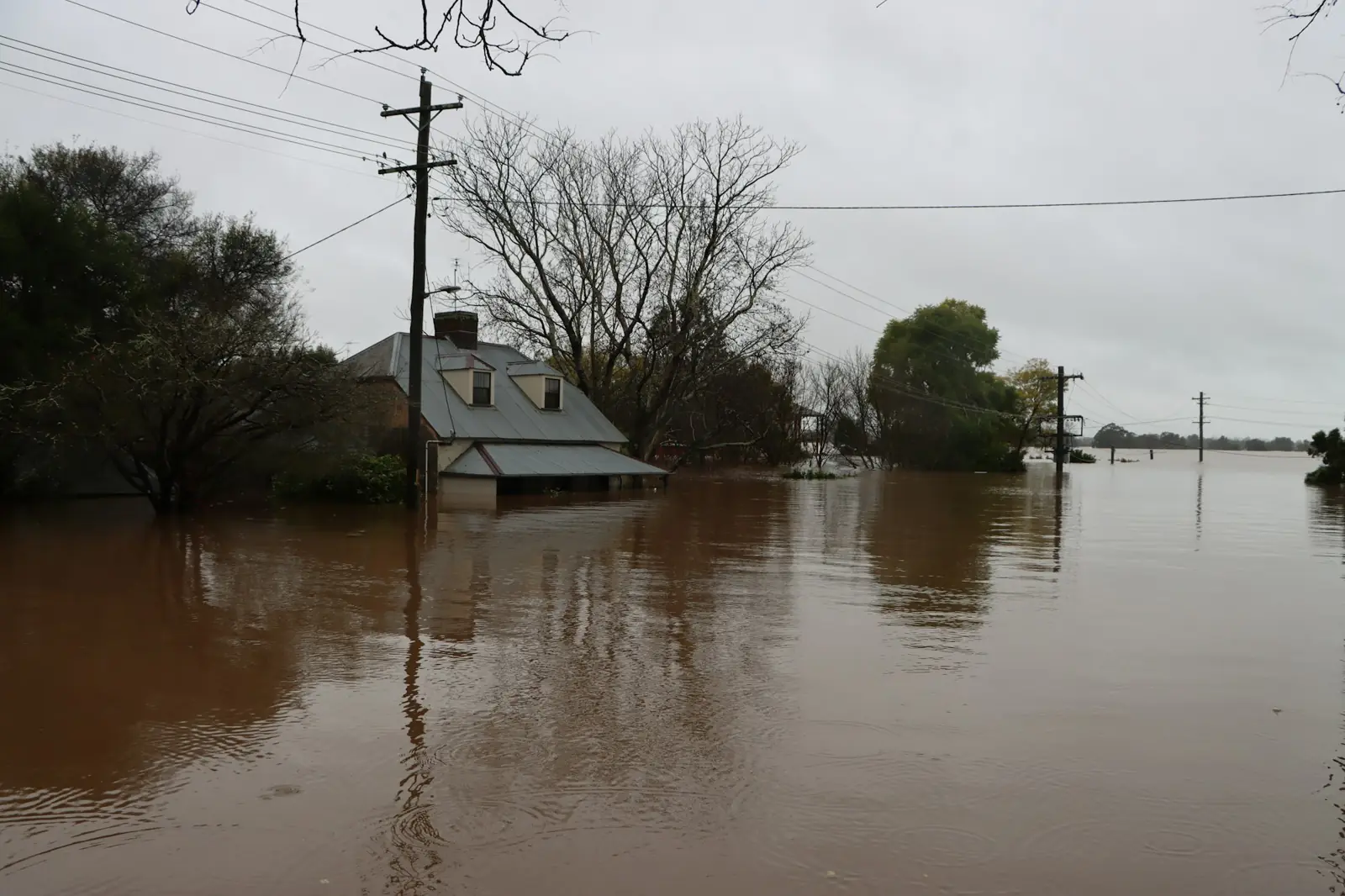
Your regular policy doesn't cover floods
Standard homeowners, condo and renters policies exclude flood damage. That includes water from overflowing rivers, storm surge, heavy rain pooling around the house and mudflow. Flood coverage is a separate policy, sold through the federal National Flood Insurance Program (NFIP) or by private insurers.
Floods are the most common and costly disaster in the U.S. FEMA estimates that just 1 inch of water in a home can cause about $25,000 in damage.
How much the NFIP covers
For a home (one to four units) the NFIP offers up to:
| Coverage | Limit | What it pays for |
|---|---|---|
| Building | $250,000 | The structure and its systems: walls, floors, wiring, plumbing, furnace, water heater, built-in appliances, permanently installed carpet and cabinets |
| Contents | $100,000 | Your belongings: furniture, clothing, electronics, portable appliances |
Building and contents are bought separately. Renters can buy contents-only coverage. Business buildings can be insured for more.
If a flood damages your home so badly that local rules require you to rebuild to current code, most NFIP building policies also include Increased Cost of Compliance coverage, up to $30,000, to help pay for raising, moving or floodproofing it.
What it doesn't cover
- Most of what's in a basement. Coverage below the lowest elevated floor is limited mostly to essential equipment, such as a furnace, water heater, electrical panel and sump pump, plus a few items like a washer, dryer and freezer. Finished walls, flooring and furniture there usually aren't covered.
- Anything outside the building, such as decks, fences, patios, pools, landscaping and septic systems.
- Cars. Flood damage to a vehicle is covered by the comprehensive part of an auto policy, if you have it.
- Temporary housing while your home is repaired.
- Cash, valuable papers and precious metals.
- Mold or moisture damage you could have prevented after the flood.
The 30-day waiting period
A new NFIP policy usually takes effect 30 days after you buy it. Buying when a storm is already in the forecast is too late. There are a few exceptions:
- When you buy, increase or renew a mortgage, coverage required for the loan can start at closing with no wait.
- If a new flood map puts your building in a high-risk zone, a policy bought within 13 months of the map change has a 1-day wait.
- After a wildfire on federal land, a 1-day wait applies to some properties flooded because of the burn area, if the policy is bought by the time the fire is contained or within 60 days after.
Private flood policies set their own waiting periods, often shorter. Check the policy.
What affects the price
Since 2021, NFIP premiums have been set by a method FEMA calls Risk Rating 2.0, which prices each building's own risk instead of relying only on its flood zone. Factors include:
- How close the building is to a river, coast or other flooding source, and what kind of flooding it faces
- The building's elevation and the height of its lowest floor
- What it would cost to rebuild
- The type of foundation and number of floors
Ways to lower the cost include elevating the building or its equipment, installing flood vents in a crawlspace or enclosure, choosing a higher deductible, and living in a community that earns a discount through FEMA's Community Rating System. Your agent can tell you which apply.
How to buy flood insurance
- NFIP policies are sold through licensed insurance agents, including the agent who sells your home or auto policy. If yours doesn't sell flood insurance, FEMA's FloodSmart site can help you find one who does. The price of an NFIP policy is the same whichever agent sells it.
- Private flood insurance is sold by some insurers directly or through agents. It may offer higher limits, coverage for temporary housing or basements, or a shorter waiting period. Lenders must accept a private policy that meets federal requirements in place of an NFIP policy.
Compare what each policy covers, not just the price. Flood.global doesn't sell insurance or recommend insurers.
The NFIP needs Congress to renew it
Congress has to reauthorize the NFIP from time to time. If that authority lapses, the program stops selling new policies and renewing existing ones until it's restored. Policies already in force stay in force, and claims are still paid. Check FEMA for the current status before you buy or renew.
Filing a claim
If you have a flood, see after a flood for the steps, including the 60-day deadline for your proof of loss.
Sources
- Filing a Flood Insurance Claim, FEMA
- Just 1 Inch of Floodwater, National Flood Insurance Program
- NFIP Flood Insurance Manual changes, Bulletin W-26001, FEMA, June 2026
- Top 10 Facts for Consumers, National Flood Insurance Program
- Floods, Ready.gov