Flood alerts explained
The National Weather Service uses a handful of alert names for flooding. Knowing which ones mean "get ready" and which mean "move now" can save your life.
Reviewed October 2026
The main flood alerts, from least to most urgent
| Alert | What it means | What to do |
|---|---|---|
| Hydrologic Outlook | Heavy rain or snowmelt could lead to flooding in the days ahead. | Keep an eye on the forecast. |
| Flood Advisory | Flooding is happening or expected, but isn't expected to be bad enough for a warning. | Be careful on roads and near creeks. Expect nuisance flooding of low spots. |
| Flood Watch | Conditions are favorable for flooding. It isn't certain, but it's possible. | Get ready: charge phones, move valuables up, know your route to higher ground. |
| Flood Warning | Flooding is happening or about to happen. | Act now. Move to higher ground if you're in a flood-prone area, and follow evacuation orders. |
| Flash Flood Warning | A flash flood is happening or about to happen. Water can rise in minutes. | Move to higher ground immediately. Don't wait to see the water. |
| Flash Flood Emergency | The most serious flood alert, issued rarely, when a flash flood is causing a severe threat to life and catastrophic damage. | Get to the highest ground you can reach now. |
A watch means be prepared. A warning means take action. Flash flood alerts are for fast, short-notice flooding, often from intense rain over a small area. Plain "flood" alerts cover slower flooding, including rivers that rise over hours or days.
Coastal and storm surge alerts
- Coastal Flood Advisory, Watch and Warning cover flooding along the coast from high tides, onshore winds and storms. They follow the same pattern: an advisory for minor flooding, a watch when flooding is possible, a warning when it's expected.
- Storm Surge Watch and Warning are issued during tropical storms and hurricanes for life-threatening flooding from seawater pushed inland. A watch means it's possible within about 48 hours, and a warning means it's expected within about 36 hours. Storm surge is often the deadliest part of a hurricane. If you're told to evacuate for surge, go.
Turn around, don't drown
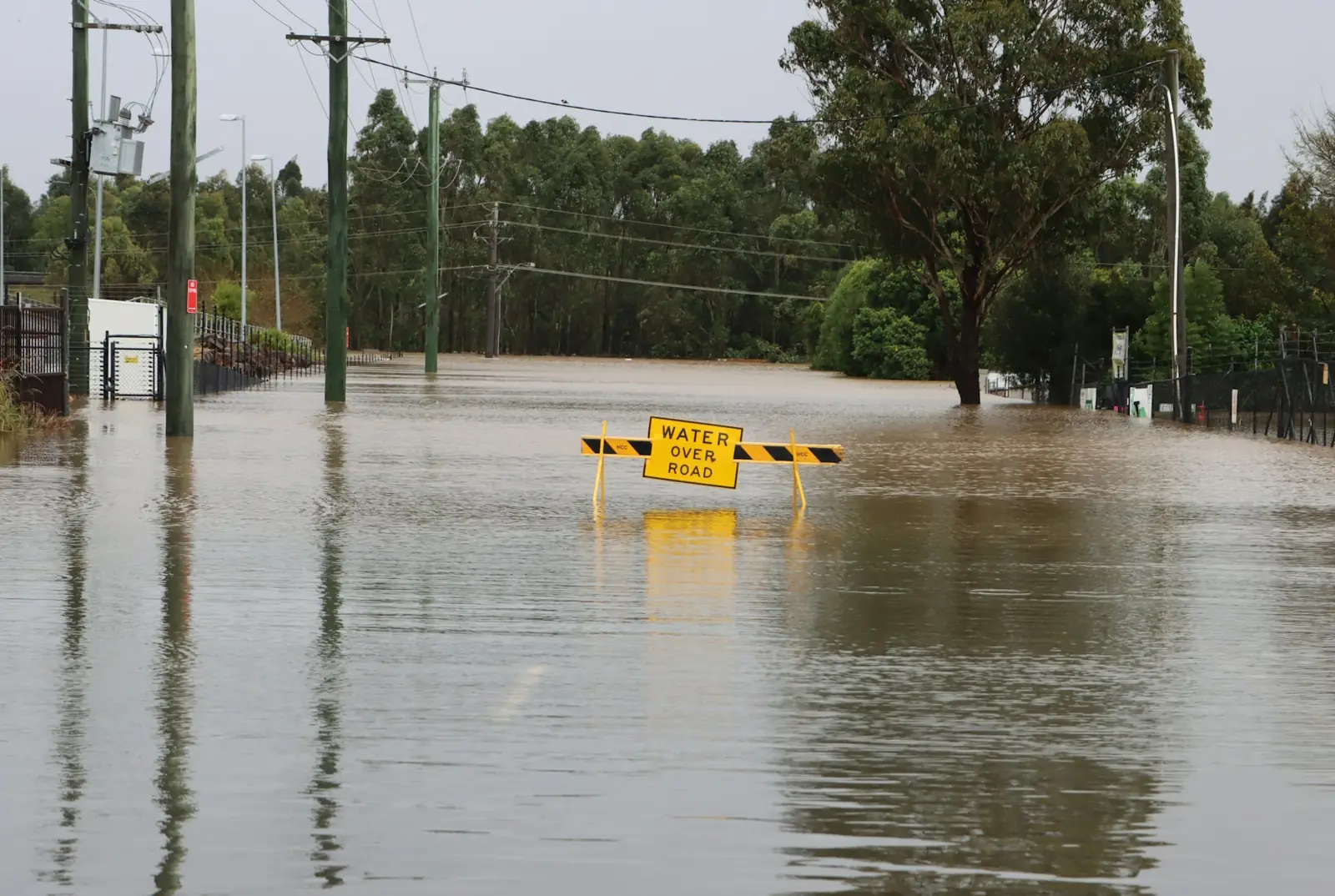
Most flood deaths happen in cars. More than half of flood-related drownings happen when someone drives into hazardous floodwater.
- 6 inches of fast-moving water can knock an adult off their feet.
- 12 inches of rushing water can carry away most cars.
- 2 feet of rushing water can carry away SUVs and trucks.
You can't tell how deep water is or whether the road beneath it has washed away. Never drive around barricades. If your car is trapped in fast-moving water, stay inside. If water is rising inside the car, get onto the roof and call 911.
How to get flood alerts
- Wireless Emergency Alerts come to most cell phones automatically for Flash Flood Warnings and other urgent alerts. Check that emergency alerts are turned on in your phone's settings.
- NOAA Weather Radio broadcasts alerts around the clock, even when power and cell service are out. A battery or crank model is a good addition to an emergency kit.
- Your county or city alert system. Many communities have their own text and email alerts. Search your county's emergency management office to sign up.
- The lookup on this site shows active flood alerts for any U.S. address, straight from the National Weather Service. Check it when you're traveling or worried about family elsewhere, but don't rely on a website you have to remember to check.
Sources
- Understanding Flood Alerts, National Weather Service
- Turn Around Don't Drown, National Weather Service
- Floods, Ready.gov