What to do after a flood
The days after a flood bring their own dangers, and the clock on mold and insurance deadlines starts right away. Here's what to do first, and what can wait.
Reviewed October 2026
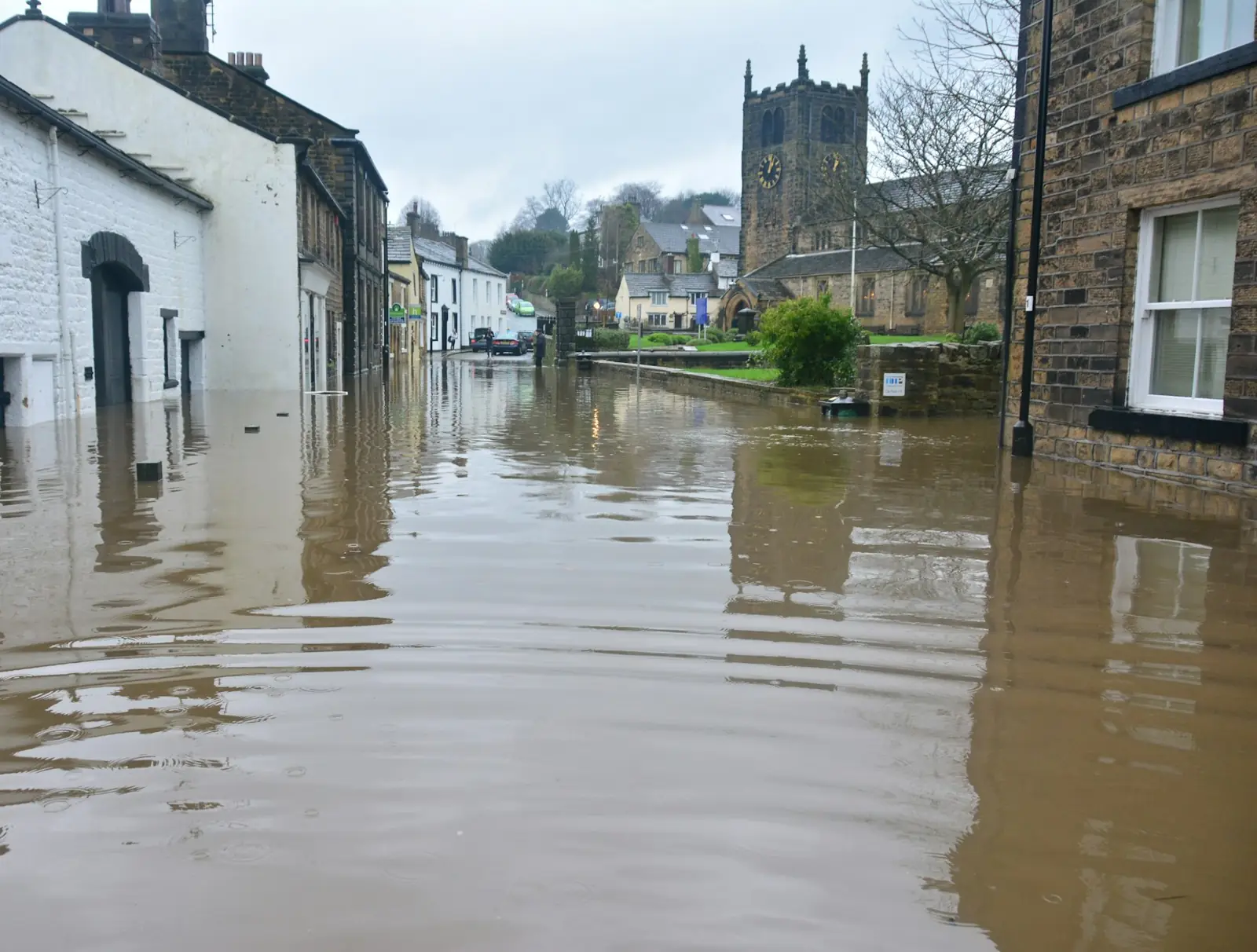
1. Wait until it's safe to go back
- Return only when officials say it's safe. Avoid driving through flooded areas, and watch for washed-out roads and downed power lines.
- Stay out of floodwater. It can carry sewage, chemicals and debris, hide sharp objects and holes, and be electrified by downed lines.
- Don't go inside if you smell gas, hear hissing, or see sagging ceilings, cracked foundations or other structural damage. Leave and call the gas company or fire department.
- Watch for snakes and other animals that may have moved into your home.
2. Electricity, gas and generators
- If the power is still on and you can reach the main breaker without standing in water, turn it off. Otherwise, call an electrician or the power company.
- Never touch electrical equipment while you're wet or standing in water. Have an electrician check anything that got wet before you use it.
- Unplug appliances so they aren't damaged when power returns.
- Run generators outdoors only, away from windows, doors and vents. Never run a generator, grill or camp stove inside a home or garage, even with the door open. Carbon monoxide has no smell and can kill in minutes. Use battery carbon monoxide alarms.
3. Document the damage before you clean
Your insurance claim depends on it.
- Photograph and video everything: each room, the waterline on the walls, damaged belongings, and the outside of the house.
- Make a list of damaged items with what you paid and when, if you know. Keep receipts.
- Keep samples of damaged materials, such as a piece of carpet, if your adjuster may need them.
- You can throw out items that are a health hazard, but photograph them first.
4. Clean up and dry out fast
Mold can start growing within 24 to 48 hours, so drying out quickly matters more than anything else.
- Wear protection: rubber boots, waterproof gloves and eye protection. Wear an N95 respirator when cleaning mold. Children and people with asthma or weakened immune systems shouldn't help with cleanup.
- Remove standing water, then open doors and windows and run fans and dehumidifiers once it's safe to use power.
- Throw out soaked porous materials that can't be dried and cleaned quickly, such as carpet and padding, mattresses, upholstered furniture, drywall and insulation below the waterline.
- Clean hard surfaces like floors, counters and appliances with soap and water. To disinfect surfaces floodwater touched, use 1 cup of household bleach in 1 gallon of water. Never mix bleach with ammonia or other cleaners.
- Mold over about 10 square feet (roughly 3 feet by 3 feet), or in the heating and cooling system, is a job for a professional.
- Wash your hands with soap and clean water often, and get medical care for any wound that came into contact with floodwater.
5. Food and water
- Throw out any food that may have touched floodwater, including anything in cardboard, plastic wrap, screw-cap jars and home-canned food.
- Undamaged commercial cans can be saved: remove the labels, wash the cans, and sanitize them in 1 cup of bleach per 5 gallons of water for 15 minutes, then relabel them.
- A closed refrigerator keeps food cold for about 4 hours without power. After that, throw out meat, dairy, eggs and leftovers. A full closed freezer holds for about 48 hours.
- If you're on a private well, have the water tested before drinking it. On public water, follow any boil-water notice from local officials.
6. Filing a flood insurance claim
Homeowners policies don't cover flood damage, so your claim goes to your flood insurer.
- Report the flood right away to your insurance agent or company. Have your policy number and a phone number or email where you can always be reached. An adjuster should contact you within a few days.
- Show the adjuster your photos, video and list of damaged items, and point out the waterline.
- File a signed proof of loss within 60 days of the flood. It's your sworn statement of what you're claiming, with supporting documents. Your adjuster can help you prepare it, but meeting the deadline is your responsibility. Ask your insurer right away if you need more time.
- Ask about advance payments if you need money to start repairs or replace essentials.
7. Getting disaster help
If the President declares a major disaster for your area, you may qualify for FEMA assistance for needs that insurance doesn't cover, such as temporary housing and essential repairs.
- Apply at DisasterAssistance.gov, in the FEMA app, or by calling 1-800-621-3362.
- File your insurance claim first. FEMA can't pay for losses insurance already covers, but you can apply before your claim is settled.
- FEMA doesn't charge to apply for help. Be wary of anyone who asks for money to get you aid.
8. Hire repairs carefully
Scammers follow floods. Get written estimates from more than one contractor, check that they're licensed and insured in your state, get a written contract, and don't pay in full before the work is done. Check with your local building department about permits before rebuilding. In a high-risk flood zone, a badly damaged home may have to be raised or rebuilt to current flood rules.
Sources
- Floods, Ready.gov
- Flood Safety, Centers for Disease Control and Prevention
- A Brief Guide to Mold, Moisture and Your Home, U.S. Environmental Protection Agency
- Food Safety in a Disaster or Emergency, FoodSafety.gov
- Filing a Flood Insurance Claim, FEMA